


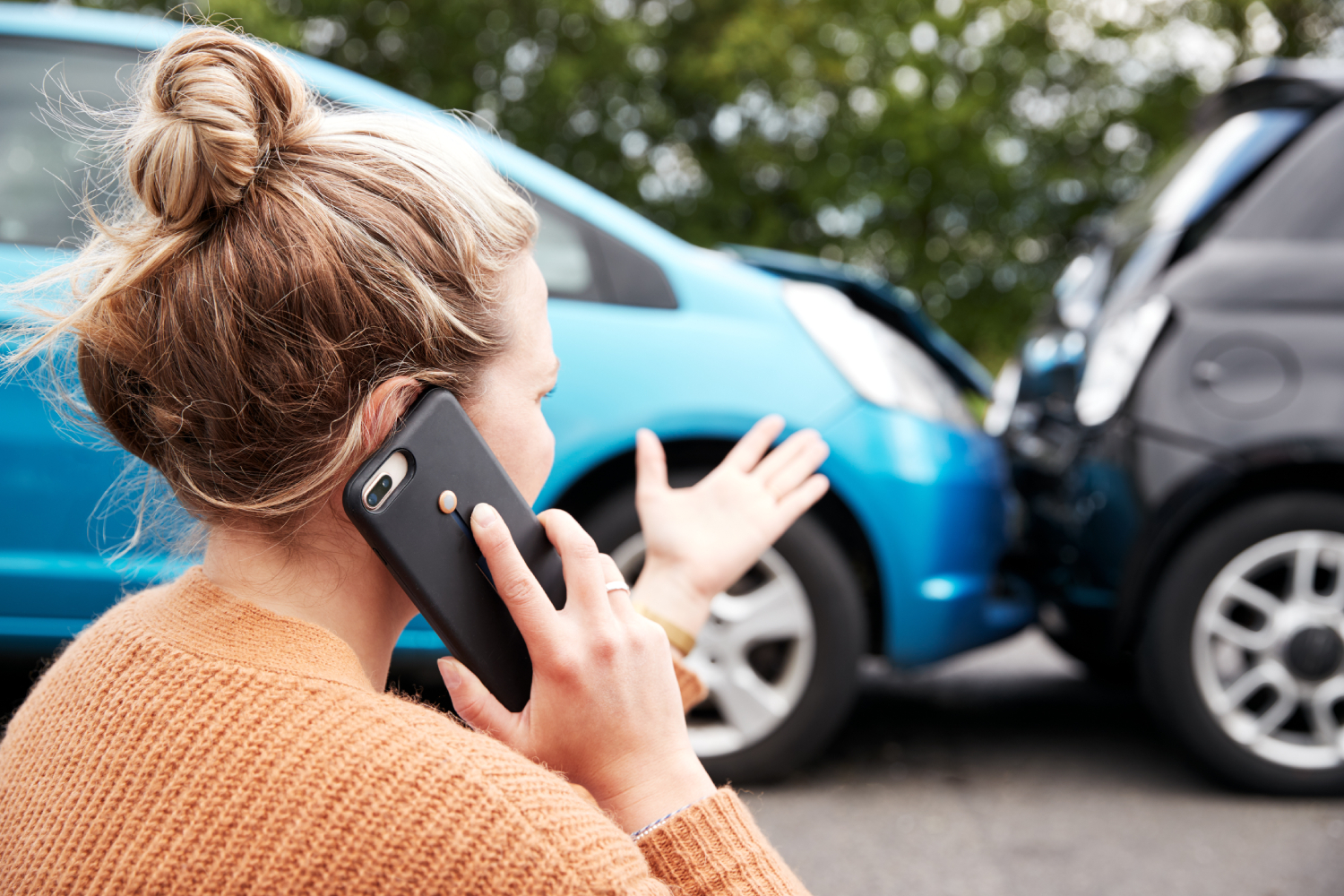
A car collision can happen in an instant, leaving you shaken and unsure of what to do next.
Whether it's a minor fender bender or a more serious accident, knowing the right steps to take can make all the difference in ensuring your safety, protecting your rights, and getting your vehicle back on the road.
Should you call the police? What information should you exchange? How do you handle repairs?
In this 2025 safety guide, we’ll walk you through the essential do’s and don’ts after a car collision, so you can navigate the situation with confidence.
And when it comes to expert collision repair, trust the team at Mossy Nissan Oceanside to restore your vehicle to top condition.
If you've been in an accident and need professional repair services, visit us or give us a call today.
Staying Safe at the Scene of the Accident
After a car collision, your first priority should always be safety. The scene can be chaotic, and it's important to take immediate actions to protect yourself and others. Here's what to do:
- Turn on your hazard lights to alert other drivers.
- Move vehicles out of traffic, if it's safe. If your car is severely damaged or in a dangerous spot, stay inside until help arrives.
- Stay in the vehicle if you're unsure about moving. If it's safe to exit, get to a safe spot away from traffic.
- Check for immediate dangers. If there is a fire or risk of further injury, leave your vehicle only if absolutely necessary.
Even if you're driving a Nissan Sentra, which is designed with safety features to minimize injury, it’s crucial to stay vigilant. Moving safely and cautiously will reduce the risk of further damage or injury.
Checking for Injuries and Seeking Medical Attention
After ensuring safety, it’s important to assess injuries, even if they are not immediately apparent. Some conditions, such as whiplash, may take hours or days to manifest.
- Check for injuries: Look for visible signs such as bleeding, swelling, or difficulty moving.
- Seek medical care if needed: If anyone appears injured, call 911 for assistance.
- Monitor for delayed symptoms: If you feel pain or discomfort later, consider seeing a doctor for evaluation.
It’s always best to consult a medical professional if you experience any symptoms following an accident.
Reporting the Collision to the Authorities
It’s important to determine whether reporting the collision to the authorities is necessary.
In many cases, having an official record of the incident can be helpful for insurance claims or legal matters.
- Check local requirements: Some minor accidents may not require police involvement, so it’s a good idea to check state laws or insurance policies.
- Call the police if needed: If injuries, significant damage, or disputes are involved, contacting law enforcement is recommended.
- Provide an accurate account: When speaking to authorities, stick to the facts and avoid speculation.
- Request a report: If a police report is filed, ask for a copy to keep for your records.
If you need expert collision repair after the accident, a Nissan collision repair center is your best option.
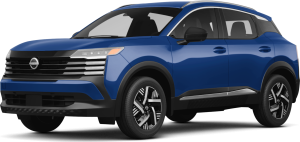
Skilled technicians will follow Nissan collision repair procedures to restore your vehicle to its pre-collision condition, whether you were driving a Nissan Kicks or any other model.
Exchanging Information with Other Drivers
Sharing accurate details with the other driver(s) is crucial for a smooth claims process and to prevent potential disputes. Be sure to collect:
- Full name and contact information – Ask for their full legal name, phone number, and address.
- Driver’s license number – Note the license number and issuing state.
- Insurance details – Get the name of their insurance company and policy number.
- Vehicle information – Record the make, model, year, color, and license plate number.
- Witnesses – If possible, collect the contact information of any bystanders.
- Accident location and time – Write down the exact location, date, and time of the crash.
If the other driver refuses to provide details or leaves the scene, report the incident to local law enforcement.
Documenting the Scene for Insurance and Repairs
Documenting the scene is key when it comes to filing an insurance claim and getting your car repaired. Here’s how to do it:
- Take photos: Capture detailed pictures of all vehicles involved, including any damage to your own car.
- Record the scene: Take photos of the surroundings, traffic signs, and any relevant road conditions.
- Note any details: If there are skid marks, debris, or any other factors that might be relevant, document them.
- Get a copy of the police report: This will be a helpful document when you begin the claims process.
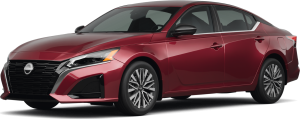
If you’re planning to get your Nissan Altima repaired, it’s essential to bring all this documentation to a qualified repair center. Nissan collision repair procedures will ensure that your car is restored to its original condition.
Notifying Your Insurance Provider
After you have taken care of immediate safety and health concerns, it’s time to notify your insurance provider. This step is crucial to ensure you receive the coverage you need. Here’s how to do it:
- Call your insurance company: Reach out to your provider as soon as possible.
- Provide details of the accident: Share facts about the time, place, and circumstances of the collision.
- Include the other driver’s information: Give your insurer the other driver’s name, contact info, and insurance details.
- Ask about next steps: Inquire about the claims process and what documentation you may need.
- Keep a record: Write down the name of the person you spoke with and the date of the call.
Notifying your insurance promptly can speed up the claims process. If you need repairs later, a Nissan collision repair center can help you restore your vehicle.
Scheduling Expert Collision Repair for Your Nissan
Once you have notified your insurance provider, it’s time to schedule collision repair. Finding a trusted shop is key to getting your car back in shape. Here’s what to do:
- Find a certified repair center: Look for a shop that is certified for your vehicle make.
- Get an estimate: Ask for an estimate to understand the costs involved.
- Schedule an appointment: Choose a time that works for you to bring in your vehicle.
- Ask about rental cars: If your car needs a lot of work, ask if a rental is available.
- Review the repair timeline: Discuss how long repairs will take to plan accordingly.
Whether you drive a Nissan Sentra or another model, getting expert collision repair ensures your vehicle is fixed right. This will keep you safe on the road.
What NOT to Do After a Car Collision
Understanding what to avoid after an accident can prevent complications:
- Avoid admitting fault: Stick to the facts and allow authorities or insurance adjusters to determine liability.
- Do not leave the scene: Always stay until the necessary information has been exchanged and authorities have been contacted if required.
- Be mindful when speaking with insurance representatives: While it’s best to let your insurer handle claims, some policies may require a level of cooperation with the other driver’s provider. Consult your insurer for guidance.
- Do not sign anything without understanding it: Review any documents carefully before signing, especially if they come from another driver or their insurer.
Restoring Your Vehicle with Trusted Nissan Collision Repair
Once you’ve navigated the insurance and repair process, it’s time to restore your vehicle. Here’s how to ensure your car gets the best care:
- Choose a certified Nissan repair shop: Look for a facility with skilled technicians who specialize in your vehicle.
- Inquire about the repair process: Understand what repairs are needed and how long they will take.
- Ask about warranties: Find out if the shop offers warranties on parts and labor.
- Check for quality parts: Ensure that only quality parts are used in your vehicle's repair.
- Stay updated on progress: Maintain communication with the repair shop to track the status of your vehicle.
Whether your vehicle is a Nissan Kicks or another model, trusted collision repair ensures your car will be safe and reliable. A good repair will give you peace of mind as you return to the road.
Essential Car Accident FAQs: What to Do and What to Avoid
After a car accident, knowing what to do can make a big difference in safety, insurance claims, and vehicle repairs.
Below are common questions drivers ask about handling a collision, along with clear, detailed answers to help you navigate the situation.
What should you immediately do if you are involved in a collision?
- Check yourself and any passengers for injuries. Call 911 if anyone is hurt.
- If it is safe, move your vehicle to the side of the road to avoid further danger.
- Turn on your hazard lights to warn other drivers.
- Call the police to report the accident, even if it seems minor.
- Exchange contact and insurance details with the other driver.
- Take pictures of the scene, including vehicle damage, license plates, and road conditions.
What is the one thing you must never do after a car accident?
- Never admit fault, even if you think you caused the accident.
- Avoid apologizing, as this can be used against you when determining liability.
- Do not leave the scene until the authorities say it is okay to do so.
- Never agree to skip calling the police, even if the other driver suggests handling it privately.
- Do not delay contacting your insurance provider, as waiting too long could impact your claim.
What is the first step to take if you are in a car crash?
- Prioritize safety by checking for injuries and calling for medical help if necessary.
- If the vehicle is drivable and the accident is minor, move to a safe location.
- Call the police to file an official accident report. This is often required for insurance claims.
How can drivers avoid car accidents?
- Stay focused and avoid distractions like texting or adjusting the radio while driving.
- Follow speed limits and adjust for weather conditions.
- Maintain a safe following distance to allow enough time to react.
- Check mirrors and blind spots before changing lanes or turning.
- Keep your vehicle in good condition, including brakes, tires, and lights.
Understanding these steps can help you stay safe, protect your rights, and handle the aftermath of a collision with confidence.
If you need expert repairs or guidance after an accident, contact Mossy Nissan Oceanside.
Get Back on the Road with Mossy Nissan Oceanside
After an accident, ensuring your safety and handling repairs correctly is essential. If you need expert collision repair, our team at Mossy Nissan Oceanside is here to help.
Additionally, if you're considering upgrading to a new vehicle, browse our inventory of Nissan models like the Nissan Sentra, Altima, or Kicks. Our team is ready to assist you with all your automotive needs.
Whether you’re interested in the efficient Nissan Sentra, the stylish Nissan Altima, or the versatile Nissan Kicks, we have the perfect car to fit your lifestyle.
Take a moment to browse through our inventory and find the right model for your needs.
While you’re here, check out our other helpful resources, like how to use the heated steering wheel in your Nissan or how to open the sunroof on your Nissan.
You can also stay up to date on the latest features with our article on what's new in the 2025 Nissan SUVs.
Let us help you make the most of your Nissan ownership experience!