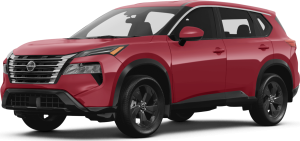



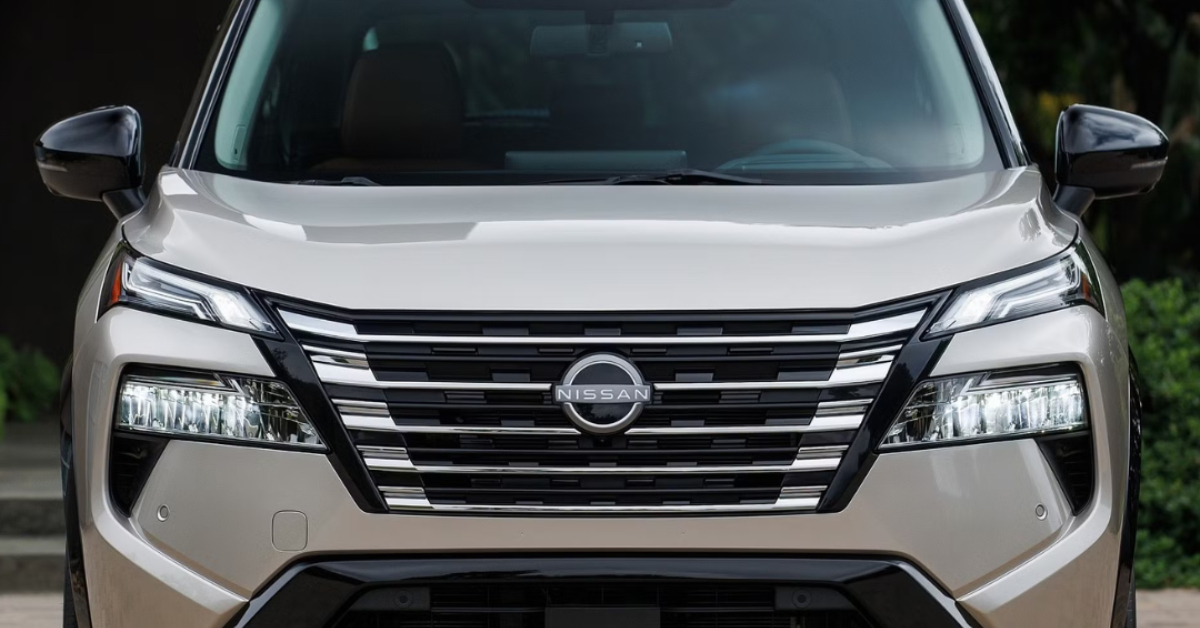
At Mossy Nissan Oceanside, we’re proud to serve drivers across Oceanside, Carlsbad, Camp Pendleton, and Bonsall. Whether you’re shopping for a new Nissan, need expert service, or want genuine parts, our team is here to help every step of the way. From test drives to trade-ins, financing, and maintenance, we make every part of the car ownership journey simple and stress-free. If you’re considering the new 2026 Nissan Rogue, give us a call or visit us today and let our specialists guide you toward the best fit for your needs and budget.
Leasing vs buying the 2026 Nissan Rogue is one of the most important decisions drivers make when choosing how to own their next vehicle. Leasing offers lower monthly payments and the freedom to upgrade sooner, while buying builds long-term value and ownership independence. Understanding the real difference between the two options helps you find what makes the most sense for your lifestyle, your finances, and your future behind the wheel.
Which Makes More Sense: Leasing or Buying the 2026 Nissan Rogue?
Choosing between leasing and buying the 2026 Rogue depends on how you drive and what you value most. Leasing may suit you if you prefer lower monthly payments and a new vehicle every few years. Buying may be better if you want full ownership and long-term value.
Here’s a quick look at the key differences:
| Leasing | Buying |
| Lower monthly payments | Higher monthly payments |
| No long-term repair costs | Builds equity over time |
| Limited mileage allowance | No mileage limits |
| Easy to upgrade every few years | Keep and customize your vehicle |
Drivers in Carlsbad may enjoy the flexibility of leasing, while Bonsall residents who drive longer distances may find buying more practical. Camp Pendleton drivers needing reliability and value might balance both. The right choice depends on your lifestyle, how long you plan to keep the vehicle, and your monthly budget when weighing lease vs buy Nissan Rogue 2026 options.
How the 2026 Nissan Rogue Lineup Affects Leasing and Buying Costs
Understanding how each trim impacts Nissan Rogue financing vs leasing helps you make an informed choice. The 2026 Rogue lineup offers different pricing, drivetrain options, and features, all of which influence total ownership cost.
| 2026 Nissan Rogue Trim Level | Starting MSRP | Drivetrain |
| Rogue S | $29,090 | FWD or AWD |
| Rogue SV | $30,090 | FWD or AWD |
| Rogue Rock Creek | $33,990 | AWD standard |
| Rogue Platinum | $38,990 | AWD standard |
Leasing often works well with higher trims, where the vehicle’s residual value helps keep payments lower. Buyers who plan to keep their Rogue beyond four years may save more by financing.
Each drivetrain also affects cost. Front-wheel drive trims offer better fuel economy and lower upfront prices, while all-wheel drive adds traction and capability. Balancing these factors ensures your choice between Nissan Rogue financing vs leasing matches your driving needs and budget.
Comparing Lease and Finance Terms for the 2026 Rogue
When exploring Rogue ownership options, understanding how lease and finance terms differ can help you plan smarter. Both offer access to the same model lineup, but payment structure and flexibility vary.
| Term Factor | Lease | Finance |
| Contract Length | 24–36 months | 48–72 months |
| Monthly Cost | Lower | Higher |
| Mileage Limit | 10,000–15,000 miles/year | Unlimited |
| End-of-Term Option | Return or buy out | Full ownership |
Leasing is ideal for drivers who enjoy switching to newer models every few years. Financing suits those who value long-term control and equity in their Rogue. Shorter lease terms also mean you’ll always have access to the latest safety and tech features.
For many drivers, the decision depends on flexibility. If you want predictable costs and short commitments, leasing fits well. If you prefer to own outright, financing builds long-term value over time.
Cost Analysis: What You’ll Spend Over Three Years
To understand the real difference between leasing vs buying the Nissan Rogue 2026, it helps to compare total costs over three years. The breakdown below shows what typical buyers and lessees might expect.
| Cost Factor | Lease (3 Years) | Buy (3 Years) |
| Down Payment | $2,000 | $3,500 |
| Monthly Payment | $370 | $560 |
| Maintenance | Included | $900 average |
| End Value | Return vehicle | Keep or sell |
Leasing usually offers lower monthly costs and less worry about maintenance or depreciation. Buying costs more upfront but allows you to build equity in your Rogue.
Over three years, leasing may save money in the short term, while buying pays off over time. Drivers who want predictable expenses often choose leasing. Those looking for long-term value and ownership usually find buying more rewarding.
Mileage, Warranty, and Maintenance Considerations
Mileage, warranty, and maintenance all play key roles when comparing Nissan Rogue financing vs leasing. Each option affects how you use and care for your vehicle over time.
| Factor | Leasing | Buying |
| Mileage Limit | Usually 10,000–15,000 miles per year | Unlimited |
| Warranty Coverage | Covers entire lease term | Expires after the factory period |
| Maintenance | Often included | Owner's responsibility after coverage |
Leasing the Rogue is ideal for low-mileage drivers who want coverage throughout their term. You avoid major repair costs since the factory warranty typically covers the full lease period. In contrast, ownership beyond three years may mean handling repairs and routine upkeep once the warranty expires.
For frequent travelers, buying makes sense because there are no mileage limits or excess fees. However, this comes with more maintenance expenses as the vehicle ages. Understanding these cost and coverage differences helps drivers choose a plan that fits their habits and long-term comfort with upkeep.
Equity, Trade-In Value, and Long-Term Rogue Ownership
Equity is the biggest difference between leasing and financing a Rogue. When you finance, every payment builds ownership value. Leasing, however, does not add equity since you return the vehicle at the end of the term.
| Factor | Lease | Finance |
| Equity Growth | None | Builds with each payment |
| End-of-Term Option | Return or buy out | Own or trade-in |
| Long-Term Benefit | Flexible renewal | Asset ownership |
Financing provides control and trade-in potential. Over time, you can use the vehicle’s resale value to offset your next purchase. Leasing offers flexibility but no long-term return.
For drivers seeking steady ownership options, buying creates lasting value through equity. You gain full rights to modify, keep, or sell your Rogue when ready for an upgrade. Leasing, on the other hand, works for those who prioritize convenience and predictable payments without long-term commitments.
How Nissan Offers and Incentives Can Influence Your Decision
Nissan’s financing and leasing programs can change the balance between short-term and long-term value. Incentives like low APR financing, loyalty bonuses, and special lease rates make both options more affordable.
| Program Type | Common Benefit |
| Seasonal Lease Offers | Lower monthly payments |
| Low APR Financing | Reduced interest over time |
| Loyalty or Conquest Cash | Savings for returning customers |
| Early Lease-End Programs | Flexible renewal options |
Local incentives in Oceanside or Carlsbad can also make a big difference. Some buyers qualify for reduced financing rates or cash rebates that lower purchase costs. Leasing programs often include mileage flexibility or reduced upfront payments.
Exploring Nissan Rogue financing vs leasing offers at the dealership helps you compare short-term savings with long-term value. Timing your purchase or lease during promotional periods can maximize savings and align with your financial goals.
Which Type of Driver and Budget Fits Leasing or Buying Best
Your lifestyle, driving habits, and budget all shape whether leasing or buying the 2026 Nissan Rogue is the smarter choice.
Driver Type Comparison
| Driver Type | Best Option |
| City commuter or low-mileage driver | Lease |
| Long-distance or frequent traveler | Buy |
| Tech enthusiast who upgrades often | Lease |
| Family seeking stability and ownership | Buy |
Budget and Ownership Priorities
| Priority | Best Option |
| Lower payments and minimal upkeep | Lease |
| Long-term savings and equity | Buy |
| Flexibility to upgrade often | Lease |
| Ownership and trade-in value | Buy |
Leasing fits drivers who want short commitments, predictable costs, and easy access to the latest features. Buying makes sense for those who prefer lasting value, no mileage limits, and full ownership. When comparing lease vs buy Nissan Rogue 2026 options, think about how much you drive, your long-term plans, and your comfort with maintenance. The right fit balances your lifestyle and financial goals.
Frequently Asked Questions About Leasing vs Buying the 2026 Nissan Rogue
Many drivers exploring the Nissan Rogue in 2026 have similar questions about financing, leasing, and long-term ownership. Understanding these details helps you make a confident decision that fits both your lifestyle and budget.
What are the pros and cons of leasing vs buying a Rogue in 2026?
Leasing the 2026 Rogue typically offers lower monthly payments and full warranty coverage for the duration of the lease term. It also allows easy upgrades every few years. The main drawbacks are mileage limits and the lack of equity built over time. Buying the Rogue costs more upfront but builds long-term value and gives you full ownership freedom without mileage restrictions.
Which option typically gives lower monthly payments for the Rogue?
Leasing typically gives lower monthly payments compared to financing. Since you’re only paying for the vehicle’s depreciation during the lease term, monthly costs stay manageable. Financing requires paying off the full vehicle price, which increases the monthly payment but builds ownership value.
How do mileage limits and wear charges affect a Rogue lease decision?
Leasing a Rogue includes a set mileage limit, often 10,000 to 15,000 miles per year. Exceeding that limit or returning the vehicle with excess wear may result in additional charges. Drivers with longer commutes or frequent trips may prefer buying to avoid these potential fees.
When does financing a Rogue make more financial sense than leasing?
Financing makes more sense if you plan to keep your Rogue for over four years or drive high annual mileage. Over time, ownership costs level out because the loan ends, and you continue using the vehicle without monthly payments. It also offers the benefit of resale or trade-in value.
Are there incentives or rebates that change the buy vs lease math for the Rogue?
Yes. Nissan often provides special lease rates, loyalty bonuses, and low APR financing offers that can significantly affect your total cost. Local programs at Mossy Nissan Oceanside may include reduced rates or rebates for both financing and leasing options. Checking current dealership incentives ensures you choose the most cost-effective plan.
Whether you’re focused on monthly affordability or long-term ownership, these answers can help you weigh leasing vs buying the Rogue with clarity and confidence.
Explore Leasing and Buying Options with Mossy Nissan Oceanside
At Mossy Nissan Oceanside, we proudly serve drivers in Carlsbad, Camp Pendleton, and Bonsall with expert guidance and personalized service. Whether you’re exploring lease options or planning to buy, our team will help you find the 2026 Rogue that fits your needs and budget. Visit our dealership to discover a wide range of new and pre-owned Nissan vehicles, flexible financing choices, and exclusive local offers. We’re here to make every step, from selection to service, simple and rewarding.
If you enjoy traveling with your pets, explore our guides on how to pet-proof your Nissan, ways to keep pets safe, and the best Nissan cars for pets for helpful tips that make every trip more comfortable and secure.
Contact Mossy Nissan Oceanside today to start your journey toward a new Rogue and experience trusted service that puts your driving goals first.
Get Directions to Mossy Nissan Oceanside
Disclaimer: All information is provided for general informational and entertainment purposes only. While we strive for accuracy, we cannot guarantee that all content is complete, current, or error-free. Any reliance you place on such information is strictly at your own risk. This article may include opinions and is not endorsed by, or officially affiliated with, any vehicle manufacturer or brand. Always consult official sources – such as the vehicle’s owner’s manual, authorized dealerships, or certified professionals – for the most up-to-date and personalized information.