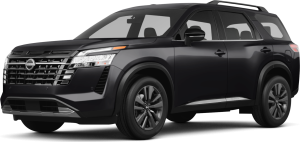




Nissan Rogue repair costs typically come down to a mix of routine maintenance and a few key systems that can become expensive over time, especially brakes, battery replacements, and CVT transmission service. Most drivers can expect manageable common Rogue repair expenses with regular upkeep, but neglecting scheduled service can quickly increase long-term costs and lead to major repairs that are far more difficult to avoid.
At Mossy Nissan Oceanside, our team is here to help drivers stay ahead of repairs with expert diagnostics, maintenance, and factory-trained service support. Whether it is routine care or a deeper inspection, we are committed to keeping your vehicle running smoothly and reliably. Reach out today to schedule service or speak with a specialist who can help you protect your investment and keep maintenance simple.
What Are the Most Common Nissan Rogue Repair Costs Drivers Should Expect?
Understanding Rogue repair costs 2026 starts with the most common services and repairs that show up over time. For most drivers, these costs are tied to normal wear rather than sudden failures, especially when routine maintenance is kept on schedule. In everyday driving conditions around areas like Carlsbad and Camp Pendleton, mileage and stop-and-go traffic naturally contribute to predictable service needs.
The Repairs Most Drivers See First
Some expenses appear more often simply because they are part of regular vehicle use. These are usually manageable when caught early and addressed on time.
The most common include:
- Brake service, including pad and rotor wear from daily driving
- Battery replacement, especially for vehicles used for short trips
- Oil changes and fluid services that support engine performance
- Tire wear and alignment adjustments from highway and city driving
These items make up the foundation of most Rogue repair expenses, and they tend to be the easiest to plan for when maintenance is consistent.
When Repair Costs Begin to Rise
While routine items are predictable, costs can increase when maintenance is delayed. Transmission-related service is one of the biggest factors that can raise expenses significantly if fluid changes are skipped or warning signs are ignored. Cooling system issues and suspension wear can also add unexpected costs if small symptoms are overlooked.
A helpful way to think about it is simple: regular upkeep keeps costs steady, while delayed service often leads to larger repairs later on.
Staying Ahead of Unexpected Costs
Most higher repair bills can be avoided with early attention to small changes in performance, noise, or warning lights. Consistent inspections and timely service appointments help keep long-term ownership costs more stable, especially for drivers commuting daily through Bonsall and nearby coastal routes.
How Much Do Routine Maintenance Services Usually Cost?
Routine maintenance makes up a large portion of common Rogue repair expenses, and most of these services are predictable when kept on schedule. For many drivers in areas like Carlsbad and surrounding coastal communities, these costs tend to stay manageable when basic upkeep is not delayed.
Oil Changes and Engine Essentials
Oil changes are one of the most consistent maintenance needs and play a major role in long-term engine performance.
Typical expectations include:
- Synthetic oil change: around $39 on average
- Service intervals every 5,000 to 7,500 miles
- Basic inspections are often included during service visits
Keeping up with oil service helps prevent unnecessary engine strain, which can lead to higher repair costs later.
Brake Service and Wear-and-Tear Costs
Brake systems naturally wear down over time, especially with frequent stopping in traffic or daily commuting.
Common pricing ranges include:
- Brake pad replacement: $150 to $300 per axle
- Rotor resurfacing or replacement: $200 to $400 per axle
Early signs like squeaking or reduced stopping response usually indicate it is time for service before costs increase.
Battery, Tires, and Everyday Maintenance Items
Some of the most overlooked maintenance items can still have a noticeable impact on reliability and comfort.
Typical expenses include:
- Battery replacement: $185 to $400+, depending on specifications
- Tire rotations and replacements based on wear
- Alignment services to prevent uneven tire wear
These services are often minor individually, but together they play a big role in controlling common Rogue repair expenses over time.
Why Routine Care Matters Long-Term
Staying consistent with maintenance helps prevent small issues from turning into larger repairs. Simple habits like timely fluid changes, brake inspections, and tire care help extend vehicle life and reduce unexpected costs, especially for drivers covering steady miles between Bonsall and nearby coastal routes.
Why Is the CVT Transmission the Most Expensive Repair Concern?
The transmission is often the most expensive system to repair in Rogue repair costs 2026, and the continuously variable transmission, or CVT, is the main reason. It is designed for smooth acceleration and better fuel efficiency, but it is also sensitive to heat, driving habits, and maintenance timing. When everything is working properly, it feels seamless on the road, especially during everyday driving through areas like Carlsbad and Camp Pendleton.
Why the CVT System Can Become Costly
Unlike traditional transmissions with fixed gears, a CVT relies on belts and pulleys that operate under constant pressure. Over time, that design can make it more vulnerable if maintenance is missed or driving conditions are demanding.
Key reasons repair costs increase:
- Heat buildup from stop-and-go or heavy commuting
- Delayed or skipped transmission fluid service
- Signs of hesitation, slipping, or “juddering” that go unchecked
- Long-term wear on internal components often requires full replacement
Once issues begin, repairs can range from fluid service to a full replacement, which is one of the highest Rogue repair expenses drivers may face.
Early Warning Signs Drivers Should Watch For
Catching CVT issues early is one of the most effective ways to avoid larger repair bills. Many drivers notice subtle changes before a major failure occurs.
Common warning signs include:
- Delayed acceleration or hesitation when pressing the gas
- A shaking or vibrating feeling at lower speeds
- Unusual whining or humming noises
- Reduced fuel efficiency over time
Addressing these symptoms early is one of the most effective ways to avoid Rogue repairs tips because it often prevents long-term damage.
How Maintenance Makes a Difference
CVT systems rely heavily on clean, properly maintained fluid. When service intervals are followed, the transmission is far more likely to perform smoothly for the long term. Ignoring fluid changes or pushing service too far beyond recommended intervals is one of the fastest ways costs begin to rise.
Simple habits that help protect the system:
- Staying consistent with transmission fluid service
- Avoiding aggressive acceleration when possible
- Paying attention to early changes in driving feel
Staying Ahead of Bigger Repairs
CVT concerns do not usually appear overnight. They build gradually, which means drivers who stay alert to early signs often avoid major repairs altogether. Consistent maintenance and early diagnostics go a long way in keeping long-term ownership costs under control, especially for daily driving across Bonsall and surrounding coastal routes.
Which Nissan Rogue Model Years Are More Likely to Have Higher Repair Needs?
When looking at Rogue repair costs in 2026, one of the biggest factors that influences long-term expenses is the model year. While many versions of this SUV are known for strong reliability, certain production years have shown a higher likelihood of costly repairs, especially when it comes to transmission performance and routine wear items.
Drivers around coastal routes like Carlsbad and Camp Pendleton often put extra strain on their vehicles with stop-and-go traffic, highway commuting, and elevation changes, which can make underlying issues show up sooner.
Model Years That Tend to See More Repair Attention
Not every model year carries the same risk level. Some earlier generations, in particular, are more commonly associated with increased service needs over time.
Higher attention model years often include:
- Early 2013 to 2014 models
- Select 2015 to 2018 models
These years are more frequently linked to transmission-related repairs and higher overall Rogue repair expenses, especially if maintenance schedules were not followed closely.
Why do certain years experience more issues?
Several factors contribute to why some model years may require more frequent repairs:
- Early CVT design refinements were still being improved during those production years
- Higher sensitivity to driving conditions and maintenance habits
- Wear that builds up faster in vehicles with an inconsistent service history
- Increased likelihood of transmission hesitation or long-term degradation
For drivers in places like Bonsall, where commuting may mix city and highway driving, these factors can become even more noticeable over time.
What Later Models Improved
More recent versions of the vehicle benefited from engineering updates and refinements designed to improve durability and drivability. These improvements have helped reduce some of the most common concerns seen in earlier years.
Common improvements include:
- More refined transmission tuning for smoother performance
- Improved cooling and durability components
- Better long-term reliability when properly maintained
Even with these improvements, consistent care still plays a major role in keeping Rogue repair costs 2026 manageable over time.
Staying Ahead of Costly Repairs
Regardless of model year, the biggest difference often comes down to maintenance habits and early detection. Small changes in how the vehicle feels, such as hesitation or new noises, should never be ignored.
Taking a proactive approach and following avoid Rogue repairs tips like staying on top of fluid services and inspections can significantly reduce long-term repair risk and help extend vehicle life.
For drivers evaluating their current vehicle or planning, understanding these model year trends can make it easier to anticipate potential repair needs before they become expensive surprises.
What Maintenance Habits Help Reduce Major Repair Costs?
Keeping long-term repair bills under control often comes down to simple, consistent habits. When looking at Rogue repair expenses, most of the costly issues do not appear suddenly. They usually build up over time due to missed services, delayed inspections, or driving habits that place extra stress on key components.
Drivers in areas like Carlsbad, Camp Pendleton, and Bonsall often deal with mixed driving conditions, from coastal highways to stop-and-go traffic. That variation makes regular maintenance even more important for preventing unnecessary wear.
Simple Habits That Make a Big Difference
A few routine actions can significantly reduce the risk of major repairs and help extend vehicle life.
Key habits to follow:
- Staying consistent with oil and filter changes
- Scheduling transmission fluid service before issues appear
- Checking tire pressure regularly, especially with temperature changes
- Rotating tires to prevent uneven wear and vibration problems
- Paying attention to small changes in performance or sound
These small steps often help avoid larger Rogue repair costs in 2026 that come from neglected maintenance.
Why Early Attention Saves Money
One of the most common patterns in Rogue repair expenses is that minor issues often lead to major repairs when ignored. For example, a small vibration or hesitation can eventually turn into transmission strain or suspension wear if left unchecked.
Think of it like this:
- A minor fluid leak can turn into engine or transmission damage
- Uneven tires can lead to alignment problems and faster suspension wear
- Small brake noise can eventually become rotor or caliper replacement
Addressing these early is one of the most effective ways to avoid Rogue repairs tips because it prevents a chain reaction of costly issues.
Driving Habits That Protect Long-Term Performance
Maintenance is not just about service intervals; it is also about how the vehicle is driven day to day. Smooth, consistent driving can reduce stress on key systems and help lower long-term costs.
Helpful driving habits include:
- Avoiding rapid acceleration from a full stop
- Allowing the engine to warm up gently in cooler mornings near coastal areas
- Reducing heavy braking whenever possible by anticipating stops
- Keeping loads within recommended limits for everyday driving
Staying Ahead of Unexpected Costs
Most drivers are surprised to learn how much impact small habits can have on long-term ownership costs. A well-maintained vehicle not only performs better but also helps avoid sudden repair spikes that can be frustrating and expensive.
Staying proactive with care, rather than reactive after problems appear, is one of the most reliable ways to keep ownership costs predictable and manageable over time.
How Do Driving Habits Impact Repair Frequency and Costs?
Driving habits play a bigger role in long-term repair costs than many people realize. When looking at Rogue repair costs in 2026, the difference between smooth, consistent driving and aggressive, stop-heavy driving can mean fewer repairs over time or a steady increase in Rogue repair expenses.
Around coastal areas like Carlsbad and Camp Pendleton, daily driving often includes highway stretches mixed with slower city traffic. That combination can either support long vehicle life or accelerate wear depending on how the vehicle is handled.
Aggressive Driving vs. Smooth Driving
How a vehicle is driven every day directly affects how often repairs are needed. Hard acceleration, sudden braking, and frequent stop-and-go driving all increase strain on key systems.
Common habits that increase repair frequency:
- Rapid acceleration from a stop
- Hard braking instead of gradual slowing
- Frequent short trips without allowing full engine warm-up
- Carrying unnecessary weight for extended periods
These patterns can contribute to higher Rogue repair expenses, especially in components like brakes, suspension, and transmission systems.
Everyday Habits That Reduce Wear
On the other hand, smoother driving habits can significantly reduce long-term maintenance needs. These Rogue repair tips are simple but effective when practiced consistently.
Helpful habits include:
- Accelerating gradually to reduce transmission strain
- Braking earlier to minimize brake wear
- Keeping a steady speed on highways instead of frequent speed changes
- Allowing the vehicle to warm up naturally before heavy driving
Over time, these habits help reduce stress on critical systems and can lower overall Rogue repair costs in 2026.
How Local Driving Conditions Play a Role
Driving in areas like Bonsall or along coastal routes often means dealing with hills, traffic lights, and shifting speeds. These conditions naturally create more wear than steady highway driving alone.
For example:
- Hill driving can increase brake and transmission load
- Stop-and-go traffic leads to more frequent braking and acceleration cycles
- Short errands without long drives can prevent fluids from reaching optimal operating temperature
Being mindful of these conditions can help reduce unnecessary strain and extend the life of major components.
Small Changes That Lead to Big Savings
Even minor adjustments in driving style can have a noticeable impact over time. Many of the most expensive repairs begin with small, repeated stress that builds slowly.
A calm, consistent driving approach helps keep maintenance predictable and reduces the chance of unexpected repairs. For many drivers, this is one of the most effective ways to manage long-term ownership costs without changing anything major about their routine.
What Are the Most Cost-Effective Repairs to Stay Ahead of Bigger Issues?
When it comes to managing Rogue repair costs in 2026, the smartest strategy is not reacting to major failures, but addressing small repairs before they grow into expensive problems. Many of the highest Rogue repair expenses start with minor warning signs that are easy and relatively inexpensive to fix if caught early.
Drivers in areas like Carlsbad and Camp Pendleton often experience a mix of highway miles and local traffic, which can speed up wear on certain parts. Staying ahead of those issues with timely repairs can make a noticeable difference in long-term ownership costs.
Low-Cost Repairs That Prevent Major Damage
Some repairs may seem small at first, but they play a big role in protecting larger systems.
Common cost-effective repairs include:
- Replacing worn brake pads before they damage rotors
- Fixing small fluid leaks before they affect major components
- Changing air filters to maintain engine efficiency
- Replacing spark plugs to prevent misfires and poor fuel economy
- Addressing tire wear early to avoid suspension strain
These simple fixes often help reduce long-term Rogue repair expenses by preventing cascading damage to more expensive parts.
Why Preventive Repairs Matter So Much
Small issues rarely stay small. A worn brake pad, for example, can lead to rotor damage if ignored. A minor fluid leak can eventually cause overheating or transmission strain if left unchecked.
This is where avoiding Rogue repairs tips becomes especially valuable:
- Catching problems early reduces labor and parts costs
- Preventive repairs often take less time than major fixes
- Early service helps avoid being stranded or dealing with sudden breakdowns
Over time, this approach helps stabilize Rogue repair costs in 2026 and makes budgeting for maintenance much easier.
Real-World Example From Everyday Driving
Think about a driver commuting daily through Bonsall. A slight squeal when braking might seem minor at first. If ignored, that sound can turn into a full brake job involving rotors and calipers instead of just pads.
That small delay in service could easily turn a low-cost repair into a much larger expense. This pattern is common across many routine maintenance issues.
Smart Maintenance Timing
Timing is just as important as the repair itself. Waiting too long often increases both parts and labor costs.
Best timing practices include:
- Servicing brakes at the first sign of noise or vibration
- Replacing fluids before they become dirty or degraded
- Addressing warning lights as soon as they appear
- Scheduling inspections before long road trips or seasonal changes
Staying Ahead of Costly Surprises
Cost-effective repairs are all about awareness and timing. When small issues are handled early, the likelihood of major repair bills drops significantly. This approach not only protects performance but also helps keep long-term ownership more predictable and less stressful.
How Can Scheduled Service Help Prevent Unexpected Repairs?
Staying ahead of Rogue repair expenses often comes down to one simple habit: keeping up with scheduled service. Most unexpected repair bills do not happen without warning. They build slowly over time when routine maintenance is delayed or skipped, especially in a vehicle that handles both city traffic and coastal highway driving like a typical Rogue.
In places like Carlsbad or Camp Pendleton, daily driving can vary from smooth freeway stretches to heavy stop-and-go conditions. That mix makes consistent service even more important for preventing surprise breakdowns.
What Scheduled Service Actually Covers
Scheduled maintenance is designed to catch small issues before they turn into costly repairs. It focuses on keeping key systems clean, lubricated, and properly adjusted.
Typical scheduled service items include:
- Oil and filter changes to protect engine components
- Transmission fluid checks to reduce strain and wear
- Brake inspections to catch early pad or rotor damage
- Tire rotations to prevent uneven wear and suspension stress
- Battery and charging system checks to avoid sudden failures
These services may seem routine, but they directly help reduce long-term Rogue repair costs in 2026 by preventing system-wide damage.
How It Prevents Bigger Problems
The real value of scheduled service is early detection. A technician can often spot small concerns long before they become noticeable to the driver.
For example:
- Slight brake wear can be corrected before rotor replacement is needed
- Minor fluid loss can be sealed before it leads to overheating
- Uneven tire wear can be corrected before suspension damage occurs
This proactive approach is one of the most effective ways to avoid Rogue repair tips because it stops small issues from escalating into expensive repairs.
Real-World Driving Example
Imagine a driver commuting through Bonsall every day. Without scheduled service, small issues like low transmission fluid or uneven tire wear might go unnoticed for months. Over time, those small problems can lead to slipping performance, vibrations, or even full component failure.
With regular maintenance, those issues are typically caught early during inspections, often turning what could have been a major repair into a quick, affordable adjustment.
Why Consistency Matters More Than Anything
Scheduled service is not about doing one big repair at once. It is about consistency over time. Vehicles that follow a regular maintenance plan tend to experience fewer breakdowns and lower overall Rogue repair expenses compared to those that are serviced only when something goes wrong.
Simple consistency benefits include:
- Fewer unexpected repair bills
- Longer lifespan of key components
- More predictable maintenance costs year to year
- Improved overall driving performance
Staying Ahead of Surprise Repairs
Unexpected repairs are usually not random. They are the result of small maintenance gaps that add up over time. Staying consistent with scheduled service helps close those gaps and keeps long-term ownership smoother, more reliable, and easier to manage financially.
Where Can Drivers Get Reliable Service for Nissan Rogue Repairs?
Managing Rogue repair expenses starts with choosing a service provider that focuses on accuracy, prevention, and long-term reliability. Even well-maintained vehicles can develop issues over time, so the quality of service plays a major role in controlling Rogue repair costs in 2026.
Drivers in Carlsbad, Camp Pendleton, and Bonsall rely heavily on their vehicles for daily travel, which makes dependable service especially important for avoiding unexpected breakdowns.
What to Look for in Reliable Service
A trustworthy service experience should always include:
- Detailed inspections that go beyond surface-level issues
- Clear explanations of needed vs. future repairs
- Accurate diagnostics to prevent unnecessary part replacements
- Preventive recommendations to reduce long-term costs
This approach is one of the most effective ways to avoid Rogue repair tips, since it helps catch problems early.
Why Proper Diagnosis Matters
Small issues can easily be misread or missed without the right tools and experience. When that happens, minor concerns can turn into larger, more expensive repairs.
Reliable technicians help:
- Identify issues before they spread
- Avoid repeat repairs from incomplete fixes
- Keep overall maintenance more predictable
Staying Ahead of Unexpected Costs
Consistent, high-quality service helps reduce surprise breakdowns and keeps long-term ownership smoother. When combined with good driving habits and regular maintenance, it becomes one of the best ways to manage repair costs and extend vehicle life.
What are the common repair costs for the Nissan Rogue, and how can owners avoid them
Common repair costs for the Nissan Rogue often include brake service, tire replacement, battery replacement, and transmission-related repairs. Owners can avoid higher expenses by staying consistent with scheduled maintenance, addressing small issues early, and following regular fluid and inspection intervals.
Which repairs tend to be most expensive on Rogues?
The most expensive repairs typically involve the CVT transmission, major engine-related repairs, and suspension system damage. Transmission replacement or major internal repairs usually represent the highest cost concerns.
What preventative maintenance reduces the chance of higher repair bills?
Preventative maintenance, such as regular oil changes, timely transmission fluid service, brake inspections, tire rotations, and fluid top-offs, helps reduce the chance of major repair bills.
Should owners prefer dealer service or independent shops for cost savings?
Dealer service is often preferred for factory-trained technicians and OEM parts, while independent shops may offer lower upfront pricing. The best choice depends on balancing cost savings with long-term reliability and proper diagnostics.
Are there extended warranty options that cover frequent repair items?
Yes, extended warranty options can help cover major components like the transmission, engine, and select electrical systems, depending on the specific plan and coverage terms.
Final Thoughts on Managing Repair Costs
Staying ahead of maintenance and catching small issues early can make a big difference in long-term repair expenses. Simple habits like consistent servicing, timely fluid checks, and paying attention to early warning signs help prevent costly breakdowns and keep ownership more predictable and manageable.
For drivers who want to better understand how this vehicle fits into everyday life, it can also help to look at its capability, technology, and safety features. These areas show how it performs not just on paper, but in real driving situations.
You can explore more here:
Drivers from Carlsbad, Camp Pendleton, and Bonsall continue to look for vehicles that balance reliability, comfort, and long-term value. There are plenty of options available to fit different driving needs, including versatile SUV choices designed for daily commuting and weekend travel.
Get Directions to Mossy Nissan Oceanside
Disclaimer: All information is provided for general informational and entertainment purposes only. While we strive for accuracy, we cannot guarantee that all content is complete, current, or error-free. Any reliance you place on such information is strictly at your own risk. This article may include opinions and is not endorsed by, or officially affiliated with, any vehicle manufacturer or brand. Always consult official sources – such as the vehicle’s owner’s manual, authorized dealerships, or certified professionals – for the most up-to-date and personalized information.