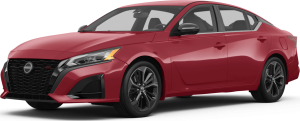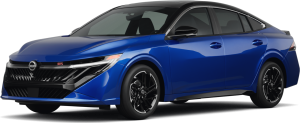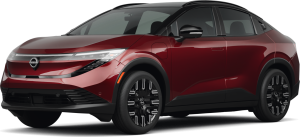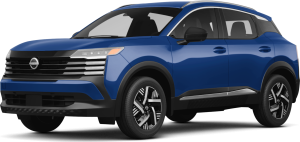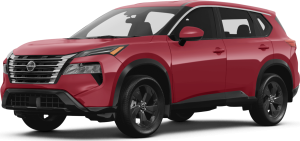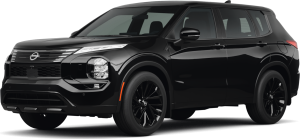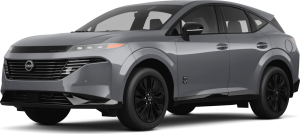



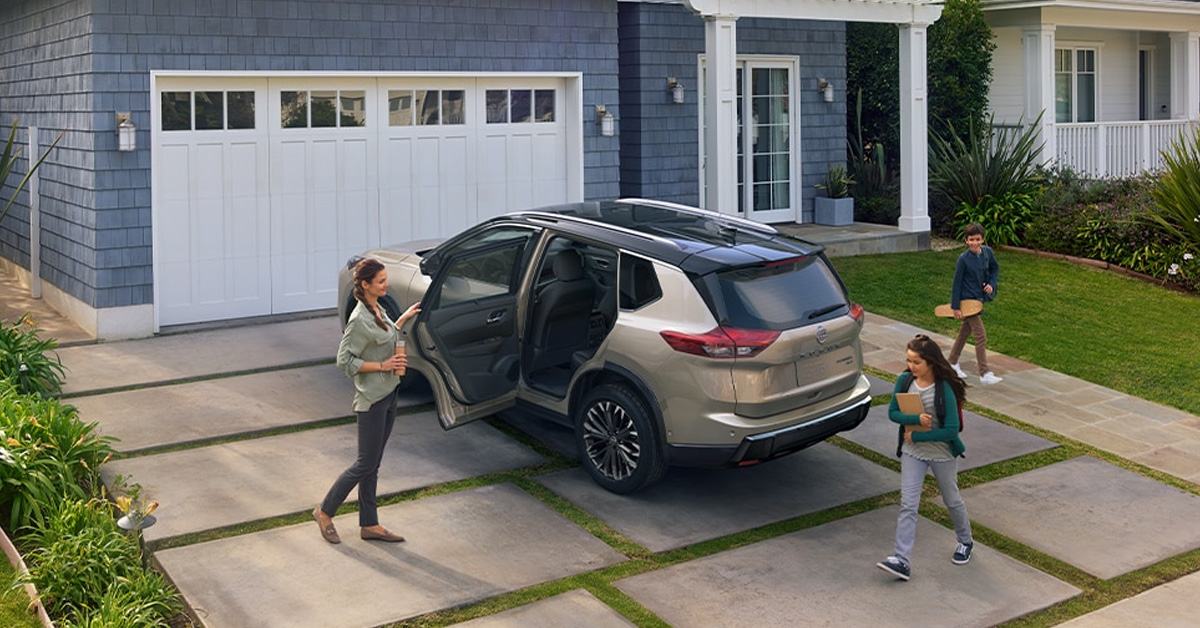
The Nissan Rogue and Toyota RAV4 are two of the most popular compact SUVs, and this comparison breaks down how they differ in performance, fuel efficiency, interior comfort, safety, and everyday driving capability. From the turbocharged efficiency of the Rogue to the hybrid power and traction of the RAV4, both offer strong value but appeal to different driving needs and lifestyles.
Mossy Nissan Oceanside is here to support drivers across every stage of ownership, from choosing the right vehicle to keeping it running at its best with expert service, parts, and maintenance. Whether you are shopping for your next SUV or need help with your current Nissan, our team is ready to assist. Contact us today or stop by to get started with confidence.
What Makes the Nissan Rogue and Toyota RAV4 Stand Out in the Compact SUV Comparison?
When looking at the Rogue vs RAV4 SUV comparison 2026, both models stand out because they are designed to meet the everyday needs of modern drivers while offering different strengths in performance, comfort, and efficiency. Each one brings a well-rounded package that appeals to commuters, families, and weekend travelers who want reliability without giving up technology or practicality. In areas like Carlsbad, Camp Pendleton, and Bonsall, these two compact SUVs are often compared because they handle a mix of highway driving, city traffic, and coastal routes with ease.
What makes these compact SUVs so popular
Both vehicles remain top choices in the segment, but for different reasons that shape the driving experience:
Nissan Rogue highlights
- Smooth, quiet ride that works well for daily commuting
- Strong fuel efficiency for a non-hybrid SUV
- Spacious cabin with flexible cargo options
- Driver assistance features designed for added confidence
Toyota RAV4 highlights
- Available hybrid system focused on efficiency and responsiveness
- Strong reputation for long-term durability
- Available standard AWD on many configurations
- More engaging, responsive feel on the road
Everyday driving differences that matter
In real-world conditions, the differences become more noticeable. The Rogue tends to focus on comfort, offering a calm and refined ride that feels steady during longer highway drives. The RAV4 leans slightly more toward responsiveness, giving drivers a more connected feel when accelerating or navigating changing road conditions. For example, a commute along coastal highways may highlight the Rogue’s smooth and quiet cabin, while a weekend drive through varied terrain may bring out the RAV4’s traction and hybrid efficiency advantages.
Quick comparison takeaway
When breaking down this Rogue vs RAV4 SUV comparison 2026, it often comes down to priorities:
- Comfort-focused driving versus hybrid efficiency
- Quiet ride quality versus more responsive handling
- Flexible cargo utility versus fuel-saving performance
Each model delivers strong value, but the right choice depends on how and where the SUV will be driven most often.
How Does the Nissan Rogue Compare to the Toyota RAV4 in Performance and Power?
In the Nissan Rogue Toyota RAV4 face-off, performance comes down to two very different engineering approaches. One focuses on smooth turbocharged efficiency designed for calm, everyday driving, while the other leans into hybrid power delivery with a more responsive and energetic feel. Both are built to handle commuting, highway travel, and weekend trips, but they deliver that experience in noticeably different ways. For drivers moving between coastal roads, freeway stretches, and city traffic in areas like Carlsbad or Camp Pendleton, those differences can shape how confident and comfortable each SUV feels behind the wheel.
Engine performance and driving feel
Each vehicle brings a unique style of power delivery:
Nissan Rogue performance traits
- 1.5L VC-Turbo engine designed for balanced efficiency and smooth acceleration
- Power delivery tuned for steady, predictable driving
- CVT transmission focused on a seamless shifting feel
- Prioritizes comfort and fuel-friendly performance over aggressive acceleration
Toyota RAV4 performance traits
- A hybrid system combining a gasoline engine and electric motors
- More immediate throttle response in many driving situations
- Electronic CVT tuned for efficiency and quick power distribution
- Feels more energetic during acceleration and passing
Real-world driving differences
In everyday use, the Rogue tends to feel calm and composed, especially in stop-and-go traffic or during long freeway drives where smoothness matters more than speed bursts. It is the kind of drive that feels relaxed on a commute from Bonsall, where consistency and comfort can make daily travel less tiring. The RAV4, on the other hand, often feels more responsive when pulling away from a stoplight or merging onto busy highways. That extra sense of immediacy can be helpful in fast-moving traffic or when navigating changing speeds along coastal routes.
Key performance comparison points
To simplify the Nissan Rogue Toyota RAV4 face-off, here is how they stack up:
- Power delivery: Smooth turbocharged balance vs hybrid-assisted responsiveness
- Driving character: Relaxed and steady vs energetic and quick to respond
- Transmission feel: Seamless CVT smoothness vs electronically controlled hybrid efficiency
- Everyday use: Comfort-focused commuting vs efficiency-driven performance
What this means for daily driving
Neither approach is better across the board. It depends on what the driver values most. Some prefer a quiet, predictable ride that stays out of the way during daily travel. Others want a more responsive system that feels lively when accelerating or passing slower traffic. Both SUVs are well-suited for Southern California driving conditions, where traffic flow can shift quickly between calm highway cruising and more active city movement.
Which SUV Offers Better Fuel Efficiency for Everyday Driving?
In a compact SUV comparison, fuel efficiency is often one of the most important deciding factors for daily drivers. Whether it is commuting along the I-5, running errands around Carlsbad, or making longer drives through coastal routes, efficiency can directly impact long-term ownership costs and convenience. This is where the differences between these two SUVs become especially noticeable. The Rogue focuses on balanced fuel savings through its turbocharged design, while the RAV4 leans on its hybrid system to maximize efficiency in both city and highway driving.
Everyday MPG and real-world efficiency
Both SUVs are designed to help reduce fuel stops, but they achieve it in different ways: Nissan Rogue fuel efficiency
- Up to 29 MPG city / 36 MPG highway
- Turbocharged engine tuned for steady, consistent efficiency
- Performs especially well on highway commutes and longer drives
- Efficiency remains stable in mixed driving conditions
Toyota RAV4 fuel efficiency
- The hybrid system delivers approximately 40 MPG combined
- Electric motor assistance improves city driving efficiency
- Strong performance in stop-and-go traffic conditions
- Optimized for maximum fuel savings in varied driving environments
How driving habits and local roads affect efficiency
Fuel economy is not just about specs. It also depends heavily on how and where the vehicle is driven.
- Coastal highway driving near Oceanside and Carlsbad often benefits steady-speed efficiency, which helps the Rogue perform consistently well
- Stop-and-go traffic near busy commuter routes can give the RAV4 an advantage due to the electric motor support
- Short trips around town may slightly reduce efficiency for both, but the hybrid system tends to recover energy more effectively
- Longer highway stretches help the Rogue maintain strong and predictable mileage
A driver commuting daily from Bonsall, for example, may see different results depending on how much of the drive is on the highway versus in city traffic.
Fuel efficiency comparison at a glance
To simplify this compact SUV comparison, here is how they differ:
- City driving efficiency: Hybrid system advantage
- Highway driving consistency: Turbocharged efficiency stability
- Stop-and-go traffic: Hybrid system recaptures advantage
- Long-distance commuting: Balanced performance with steady mileage
What this means for everyday ownership
Both SUVs are efficient for their class, but they prioritize fuel economy in different driving conditions. One is designed to deliver consistent mileage across a wide range of conditions, while the other is optimized to maximize efficiency in traffic-heavy situations. For drivers focused on reducing fuel stops during daily commuting or weekend travel, understanding these differences helps match the vehicle to the way it will actually be driven, not just the numbers on paper.
How Do Interior Comfort and Cabin Quality Compare Between the Rogue and RAV4?
In the Rogue vs RAV4 SUV comparison 2026, interior comfort is one of the clearest areas where drivers start to notice real differences. Both SUVs are designed for everyday practicality, but each one creates a very different feeling once you are inside. One leans more toward a relaxed, quiet cabin experience, while the other focuses on durability and functional design. For daily driving around Carlsbad, weekend trips through Bonsall, or longer commutes near Camp Pendleton, those small differences in cabin comfort can have a big impact on overall driving enjoyment.
Cabin comfort and overall interior feel
Both models offer modern interiors, but the experience inside each is shaped by different priorities.
Nissan Rogue cabin characteristics
- Quiet, refined interior that helps reduce road noise
- Softer material choices that create a more upscale feel
- Comfortable seating designed for longer drives
- Relaxed cabin atmosphere focused on comfort
Toyota RAV4 cabin characteristics
- Durable interior built for everyday use
- Simple, functional layout with a practical design approach
- Supportive seating with a slightly firmer feel
- Focus on long-term durability and usability
Seating comfort for daily driving
Seating comfort becomes most noticeable during longer commutes or time spent in traffic.
- The Rogue is tuned for a softer, more relaxed seating experience that helps reduce fatigue on longer drives
- The RAV4 offers firmer support that some drivers prefer for a more engaged driving position
- Both provide enough space in the rear seats for passengers, making either option suitable for families or carpooling
A drive along coastal highways from Bonsall toward the coast highlights how a quieter, softer cabin can make long stretches of road feel more relaxed.
Space, layout, and everyday usability
Interior layout plays a big role in how practical each SUV feels in daily use.
- Both models offer flexible seating and cargo configurations
- The Rogue emphasizes a more open, comfort-focused cabin layout
- The RAV4 leans toward a structured, utility-driven design
- Visibility and cabin layout in both support confident everyday driving
Key interior comparison points
In a Rogue vs RAV4 SUV comparison 2026, the interior differences can be summed up clearly:
- Cabin feel: Quiet and relaxed versus durable and practical
- Seating style: Soft comfort versus firmer support
- Interior design approach: Upscale comfort versus functional simplicity
- Long-drive comfort: Relaxed cruising versus engaged driving posture
What drivers tend to notice most
Interior comfort is ultimately about how the cabin feels after repeated use, not just first impressions. Some drivers prefer a calm, quiet environment that makes daily commuting less tiring, while others value a more straightforward and durable layout that is easy to maintain over time. Both SUVs handle Southern California driving well, whether it is short local trips or longer highway stretches between coastal and inland routes.
Which Compact SUV Provides More Cargo Space and Flexibility?
In the Nissan Rogue Toyota RAV4 face-off, cargo space becomes one of the most practical deciding factors for everyday driving. Whether it is hauling groceries in Carlsbad, packing for a beach day along the coast, or loading up for a weekend trip toward Bonsall, the way each SUV handles storage can make daily life noticeably easier. Both vehicles are designed for active lifestyles, but they approach cargo flexibility in slightly different ways. One prioritizes maximum usable space with smart organization features, while the other focuses on a straightforward layout that is easy to load and use.
Cargo space comparison in everyday use
Both SUVs offer strong utility for the compact SUV class, but there are differences in total capacity and organization.
Nissan Rogue cargo flexibility
- Up to 74.1 cubic feet of total cargo space with rear seats folded
- Divide-N-Hide system for organizing smaller items
- Wide rear opening for easier loading
- Flat load floor for larger or bulkier items
Toyota RAV4 cargo flexibility
- Up to 69.8 cubic feet of total cargo space with seats folded
- Deep and practical cargo area layout
- Simple, open design focused on everyday usability
- Easy loading for quick trips and errands
Real-world flexibility for daily driving
Cargo space numbers matter, but real-life use often tells a clearer story. The Rogue’s flexible storage system helps keep items separated and organized, which can be especially helpful when carrying groceries, sports gear, or beach equipment after a day in Carlsbad. The RAV4 offers a more open and simplified cargo area, making it easy to quickly load items without thinking much about arrangement. That approach works well for drivers who prefer speed and convenience during busy routines.
Everyday scenarios where cargo space matters
Cargo flexibility shows its value in common situations like:
- Weekend trips to the beach with chairs, coolers, and umbrellas
- Grocery shopping with multiple bags and fragile items
- Family road trips with luggage and travel gear
- Outdoor activities requiring larger or uneven equipment
In these situations, extra space or better organization can make loading and unloading faster and less stressful.
Key cargo comparison points
In this Nissan Rogue Toyota RAV4 face-off, the differences are easy to break down:
- Total cargo capacity: Slight advantage for maximum space
- Storage organization: A more flexible system for separation and convenience
- Loading ease: Wide and flat design supports larger items
- Simplicity of use: Open layout designed for quick access
What this means for everyday ownership
Cargo space is less about specifications and more about how the vehicle fits into daily routines. Some drivers value built-in organization for keeping items neat and separated, while others prefer a simple, open space that is easy to use without adjustment. Both SUVs handle everyday errands and weekend plans well, but the best fit depends on whether organization or simplicity plays a bigger role in daily driving needs.
How Do Technology and Infotainment Features Compare in the Rogue vs RAV4 Face-Off?
In a compact SUV comparison, technology is often what drivers interact with most daily. From navigation and smartphone connectivity to driver assistance systems, these features shape how easy and enjoyable each trip feels. In the Rogue vs RAV4 face-off, both models offer modern tech, but they take slightly different approaches to screen design, usability, and driver support. For everyday driving around Carlsbad, commuting toward Camp Pendleton, or running errands through Bonsall, these tech differences can affect how smoothly each drive begins and ends.
Infotainment systems and screen experience
Both SUVs include modern touchscreen systems, but the layout and feel differ in subtle ways:
Nissan Rogue technology highlights
- User-friendly infotainment system with intuitive menus
- Standard Apple CarPlay and Android Auto compatibility
- Available 360-degree camera system for easier parking and tight spaces
- Clear, driver-focused display layout designed for quick access
Toyota RAV4 technology highlights
- Available larger touchscreen options depending on trim
- Digital gauge cluster on select models for a modern feel
- Apple CarPlay and Android Auto integration
- Wireless charging and connected services on higher trims
Everyday usability behind the wheel
Technology is most valuable when it reduces distraction and simplifies driving tasks. The Rogue tends to focus on straightforward usability, where menus and controls are easy to access without taking attention away from the road. This can be especially helpful during stop-and-go traffic or when navigating tighter city streets. The RAV4, on the other hand, leans into a more feature-rich digital experience, with available upgrades that add customization and additional display options. Drivers who enjoy a more tech-heavy interface may appreciate that approach.
Driver assistance and smart features
Advanced driver assistance plays a major role in modern compact SUV comparison discussions, especially for commuters. Key systems often include:
- Lane keeping assistance and lane departure warning
- Adaptive cruise control for highway driving
- Blind spot monitoring for added awareness in traffic
- Emergency braking systems designed to help reduce collision risk
The Rogue is often recognized for its ProPILOT Assist system, which supports more relaxed highway driving. The RAV4 also offers a strong suite of driver assistance features through its safety package, designed to support awareness and control in a variety of conditions.
Real-world tech use in daily driving
Technology feels different depending on how it is used day to day. For example:
- A driver commuting from Bonsall may rely heavily on adaptive cruise control for longer highway stretches
- Parking in busy coastal areas like Carlsbad can benefit from camera systems and blind spot alerts
- Quick errands around town are easier with intuitive touchscreen access and smartphone integration
These features are not just conveniences; they help reduce stress and improve confidence in real-world driving situations.
Key technology comparison points
In the Rogue vs RAV4 face-off, the technology differences can be summarized clearly:
- Interface style: Simple, intuitive layout versus feature-rich customization
- Driver assistance focus: Relaxed highway support versus comprehensive safety suite
- Display experience: Streamlined usability versus advanced digital upgrades
- Everyday convenience: Ease of use versus expanded tech options
What this means for daily drivers
Technology plays a bigger role than ever in choosing a compact SUV. Some drivers prefer a system that is simple, responsive, and easy to learn quickly. Others prefer a more advanced setup with additional customization and digital features.
Which SUV Offers Stronger Safety and Driver Assistance Features?
In a Rogue vs RAV4 SUV comparison 2026, safety is one of the most important categories for everyday drivers. Whether it is commuting along busy highways, navigating tight parking areas near Carlsbad, or handling stop-and-go traffic around Camp Pendleton, driver assistance systems play a major role in reducing stress and improving confidence behind the wheel. Both SUVs are built with strong safety reputations, but they approach driver support in slightly different ways. One emphasizes smooth, confidence-focused highway assistance, while the other offers a broad suite of safety technologies designed for all types of driving conditions.
Core safety systems found in both SUVs
Each vehicle includes a wide range of standard safety features designed to support everyday driving:
- Automatic emergency braking with pedestrian detection
- Lane departure alert with steering assistance
- Blind spot monitoring for safer lane changes
- Rear cross traffic alert for backing out of tight spaces
- Adaptive cruise control for highway driving support
These systems work together to help reduce common risks in daily driving, especially in busy Southern California traffic environments.
How driver assistance feels on the road
Even when equipped with similar features, the driving experience can feel different depending on tuning and system design. The Rogue is often recognized for its ProPILOT Assist system, which helps maintain distance, lane positioning, and steering support on highways. This can be especially useful during longer drives between coastal and inland routes, where steady traffic flow is common. The RAV4 also offers a strong driver assistance package that focuses on awareness and responsiveness across a variety of road conditions. It is designed to keep drivers informed and supported, particularly in changing traffic situations.
Real-world safety scenarios
Safety technology becomes most noticeable in everyday situations, such as:
- Heavy freeway traffic, where adaptive cruise control helps reduce fatigue
- Tight parking areas where cameras and sensors improve visibility
- Sudden stops in city driving, where emergency braking support can assist
- Lane changes during busy commutes, where blind spot alerts increase awareness
For example, a daily drive from Bonsall toward the coast often includes a mix of open highway and congested traffic, making these systems especially valuable.
Key safety comparison points
In a Rogue vs RAV4 SUV comparison 2026, safety strengths can be summarized like this:
- Highway assistance: Smooth lane and distance control versus broad adaptive support
- Awareness features: Strong 360-degree visibility tools versus comprehensive sensor coverage
- Driver confidence: Relaxed assisted driving versus active all-condition monitoring
- Everyday usability: Reduced fatigue focus versus wide-ranging safety alerts
What drivers should take away
Both SUVs are built with safety as a priority, and both provide a strong set of driver assistance features that support modern driving demands. The main difference comes down to how those systems feel in practice. Some drivers prefer a more relaxed, assisted highway experience, while others value a more alert, always-on safety system.
How Do Driving Experience and Ride Comfort Differ on Local Roads?
In a Nissan Rogue Toyota RAV4 face-off, ride comfort becomes one of the most noticeable differences once you leave the dealership lot and get onto real roads. Smooth pavement, potholes, speed bumps, and coastal curves all reveal how each SUV is tuned for everyday driving. Around areas like Carlsbad Village streets, the winding roads near Bonsall, or even the stop-and-go traffic heading toward Camp Pendleton, comfort and handling can shape how relaxing each drive feels.
Ride comfort in everyday conditions
Both SUVs are designed for daily commuting, but they deliver comfort in slightly different ways.
Nissan Rogue driving feel
- Tuned for a smoother, more relaxed ride on uneven roads
- Suspension helps absorb bumps and rough pavement well
- Steering feels light and easy, especially in tight city driving
- Cabin remains quiet, even during longer highway stretches
This setup works well for drivers who prioritize comfort during daily errands and longer commutes.
Toyota RAV4 driving feel
- Slightly firmer suspension that feels more controlled on turns
- Steering provides a more direct and responsive feel
- Balanced ride quality for both city streets and highway driving
- Stable handling during quick lane changes or sharper curves
This makes it appealing for drivers who enjoy a more connected feel to the road.
Local road experience in real driving
Driving comfort is not just about specs; it is about how the SUV feels in real situations. For example:
- A morning commute from Bonsall often includes rolling hills and uneven pavement, where a softer suspension can reduce fatigue
- Coastal drives through Carlsbad may involve frequent stops and turns, where smooth braking and light steering help ease stress
- Highway merges near Camp Pendleton require stability and confidence during faster traffic flow
Each SUV handles these moments differently, giving drivers distinct experiences behind the wheel.
Cabin quietness and long-distance comfort
Comfort is not only about suspension, but also how quiet and composed the cabin feels.
- One model leans toward a quieter, more insulated cabin that reduces road noise during longer drives
- The other balances noise control with a more connected driving feel, allowing more road feedback inside the cabin
For drivers who spend a lot of time commuting, especially on highways, this difference becomes more noticeable over time.
Key comfort and driving comparison points
In a Nissan Rogue Toyota RAV4 face-off, the driving experience can be summarized like this:
- Ride softness: More cushioned feel versus firmer, controlled handling
- Steering style: Light and easy versus more direct and responsive
- Road absorption: Strong focus on smoothing rough pavement versus balanced feedback
- Everyday comfort: Relaxed commuting feel versus engaged driving dynamics
What this means for daily drivers
Comfort preferences often come down to driving style. Some drivers want a smooth, easygoing ride that takes the edge off traffic and rough roads. Others prefer a more connected feel that offers better control and responsiveness.
What Should Drivers Consider When Choosing Between These Two Compact SUVs?
In any compact SUV comparison, the final decision often comes down to lifestyle, daily driving habits, and what matters most behind the wheel. Features, performance, comfort, and technology all play a role, but the right choice depends on how an SUV fits into real life. For drivers in areas like Carlsbad, Bonsall, and surrounding North County communities, daily routines can include everything from short city trips to longer highway commutes. That mix makes it important to think beyond specs and focus on everyday usability.
Daily driving priorities matter most
Before choosing, it helps to think about how the vehicle will be used on a typical week:
- Frequent city driving with tight parking situations
- Highway commuting with steady traffic flow
- Weekend trips along the coast or inland routes
- Family errands, school drop-offs, and shopping trips
A model like the Rogue often appeals to drivers who want a smoother, more relaxed daily drive, especially in stop-and-go conditions. Other options in the segment may lean more toward a firmer, more responsive feel for drivers who prefer added road feedback.
Comfort versus engagement
One of the biggest decision points in this compact SUV comparison is driving personality.
- Some drivers prioritize a soft, quiet cabin that reduces fatigue during long commutes
- Others prefer a more connected driving feel that responds quickly to steering input
- Suspension tuning and cabin insulation can strongly influence this experience
Thinking about how much time is spent on the road each day can help clarify which approach feels more natural.
Technology and ease of use
Modern SUVs are packed with features, but simplicity versus customization can be a deciding factor:
- Easy-to-use interfaces with straightforward menus can reduce distraction
- More advanced digital setups may appeal to drivers who enjoy tech-heavy features
- Driver assistance systems can either focus on relaxed highway support or broad safety coverage
A quick test drive often reveals which system feels more intuitive in real-world conditions.
Space, flexibility, and lifestyle needs
Practicality is just as important as performance or technology:
- Cargo space for sports gear, groceries, or travel luggage
- Rear seat comfort for passengers or family use
- Folding seat flexibility for larger items or weekend projects
Even small differences in layout and storage design can make daily routines easier.
Key decision factors at a glance
When narrowing down choices, it helps to focus on:
- Ride comfort versus sportier handling
- Technology simplicity versus feature depth
- Daily commute length and traffic conditions
- Passenger and cargo space needs
- Long-term ownership comfort and confidence
Final thoughts for local drivers
Choosing between these two compact SUVs is less about finding a “better” option and more about finding the right fit. Daily driving conditions, personal comfort preferences, and lifestyle needs all shape the decision. For anyone comparing options in person, taking time to experience both on familiar roads can make the differences much clearer. Local driving conditions often reveal more than any spec sheet ever could, especially when it comes to comfort, control, and everyday convenience.
How does the Rogue compare to the Toyota RAV4 on space, tech, and performance?
The Rogue offers a more comfort-focused ride with a user-friendly tech layout and smooth everyday performance, while the Toyota RAV4 leans toward a more responsive driving feel with a slightly more rugged performance character and a tech setup that offers more customization depending on trim.
Which SUV performs better in fuel economy and running costs?
The Rogue generally delivers strong fuel efficiency and tends to be cost-effective for daily commuting, while the Toyota RAV4 also offers competitive fuel economy with some hybrid options that can further improve efficiency depending on configuration.
How do safety suites and active driver assists compare?
Both the Rogue and Toyota RAV4 come with advanced safety suites that include features like automatic emergency braking, lane assistance, and adaptive cruise control, with the Rogue often emphasizing smoother highway assistance and the RAV4 focusing on a broad, highly responsive safety system across different driving conditions.
Which model is better for family use versus solo commuting?
The Rogue is often favored for family use due to its comfortable ride, quiet cabin, and easy driving feel, while the Toyota RAV4 is a strong option for both family and solo commuting thanks to its balanced performance and slightly more engaging handling.
Which has a stronger track record for reliability and resale?
The Toyota RAV4 is generally recognized for having a strong reputation for long-term reliability and resale value, while the Rogue is also considered dependable and competitive within the compact SUV segment.
Final Thoughts on Finding the Right Compact SUV for Your Lifestyle
Choosing the right compact SUV often comes down to how it fits into daily life. From commuting around Carlsbad to weekend drives near Bonsall or longer stretches past Camp Pendleton, the Rogue offers a comfortable and capable ride for a variety of driving needs. For drivers who want confidence behind the wheel, smooth handling, and a balance of technology and comfort, the Rogue stands out. You can learn more about its real-world capability with details on towing capacity, ProPILOT Assist, and safety features. Drivers from Carlsbad, Camp Pendleton, Bonsall, and nearby areas are invited to explore our wide selection of vehicles, including the Rogue, to find the SUV that fits their lifestyle.
Get Directions to Mossy Nissan Oceanside
Disclaimer: All information is provided for general informational and entertainment purposes only. While we strive for accuracy, we cannot guarantee that all content is complete, current, or error-free. Any reliance you place on such information is strictly at your own risk. This article may include opinions and is not endorsed by, or officially affiliated with, any vehicle manufacturer or brand. Always consult official sources – such as the vehicle’s owner’s manual, authorized dealerships, or certified professionals – for the most up-to-date and personalized information.