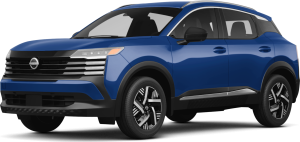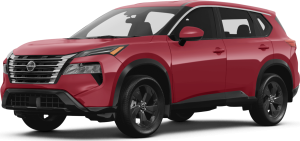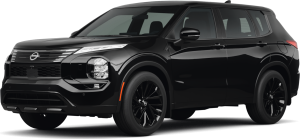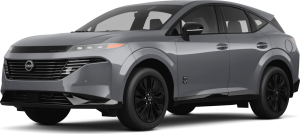



At Mossy Nissan Oceanside, we’re proud to serve drivers across Carlsbad, Camp Pendleton, and Bonsall with all their automotive needs. Whether you’re shopping for a new Nissan, scheduling service, or searching for genuine parts, our team is here to help you every step of the way. We believe finding the right vehicle should feel simple and rewarding, and that includes choosing the drivetrain that fits your lifestyle best. If you have questions or want to experience the Nissan Rogue in person, give us a call or visit us today.
When comparing the Nissan Rogue AWD and FWD, the decision often comes down to how and where you drive. Both options share the same powerful 1.5-liter VC-Turbo engine, yet they deliver unique benefits. The Rogue FWD provides smooth efficiency for city and highway driving, while the AWD model adds confident traction for varied road conditions. Understanding how these drivetrains differ in performance, fuel economy, capability, and value will help you choose the Rogue that matches your everyday needs.
Which Nissan Rogue Drivetrain Is Right for You?
Selecting the right Rogue drivetrain depends on more than just where you drive. Southern California offers varied roads, from dry city streets to coastal hills and inland slopes. Nissan Rogue gives you two options: Front-Wheel Drive (FWD) or All-Wheel Drive (AWD). Each has advantages depending on your needs.
FWD works well for daily commuting, smooth highways, and long drives. It’s lighter, offers better fuel efficiency, and has lower maintenance costs. AWD adds traction and control, making it ideal for hills, wet streets, or sandy and uneven terrain. It also provides more confidence when towing gear or carrying passengers.
| Consideration | FWD | AWD |
| Driving Environment | City streets, highways | Hills, wet roads, off-road paths |
| Fuel Efficiency | Higher mpg | Slightly lower mpg |
| Towing & Capability | Light loads | Moderate loads, better stability |
| Lifestyle Needs | Daily commuting, solo or light cargo | Outdoor adventures, pets, sports gear |
Test-driving both drivetrains helps you choose what fits best. Mossy Nissan Oceanside experts can guide you through trims and drivetrain options, ensuring safe, reliable driving for Southern California lifestyles.
Which 2026 Nissan Rogue Trims Offer AWD or FWD?
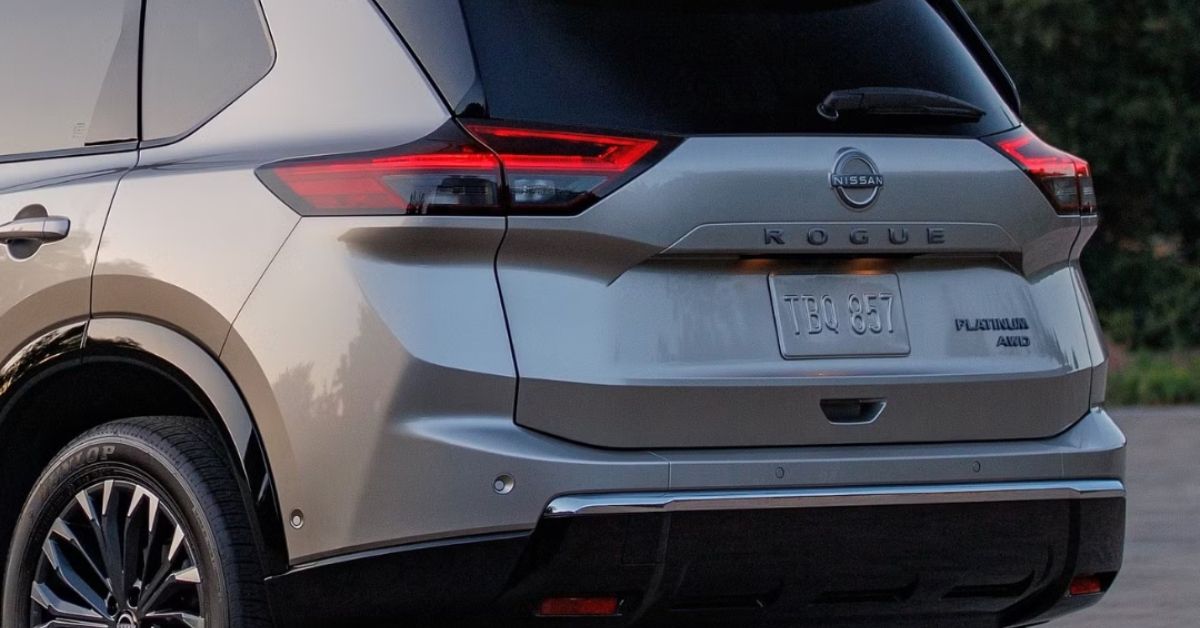
The 2026 Nissan Rogue lineup offers flexibility for different drivers. Most trims provide FWD as standard, with AWD optional or standard depending on the trim.
| Trim Level | Drivetrain Options |
| S | FWD or AWD |
| SV | FWD or AWD |
| Rock Creek | AWD only |
| Platinum | AWD only |
AWD adds traction and stability for drivers who face hills, rain, or uneven terrain. FWD trims remain efficient and cost-effective for everyday commuting.
The Rogue trims combine technology, comfort, and versatility. Each drivetrain option allows drivers to select the balance of performance, control, and fuel economy that fits their lifestyle. Drivers can confidently navigate city streets, coastal highways, or weekend outdoor adventures with the trim and drivetrain that suit their needs.
How Does Performance Differ Between AWD and FWD?
Rogue performance varies with the drivetrain. FWD sends power only to the front wheels. This creates a lighter, more agile feel for city or highway driving. Steering is responsive, and acceleration is smooth on paved roads. FWD is ideal for drivers seeking efficiency and predictable handling.
AWD distributes power to all wheels when needed. This enhances traction on wet, sandy, or uneven surfaces. It improves cornering stability and reduces the risk of wheel slip during acceleration. Drive modes such as Snow and Off-Road further tailor performance to challenging conditions.
Comparison:
| Feature | FWD | AWD |
| Traction | Good | Excellent |
| Cornering Stability | Moderate | Strong |
| Acceleration on Rough Terrain | Standard | Enhanced |
The Nissan Rogue AWD vs FWD comparison shows that FWD favors efficiency, while AWD provides extra confidence for variable Southern California roads.
How Much Fuel Efficiency Can You Expect from Each Drivetrain?
Fuel efficiency is an important factor in choosing a Rogue drivetrain. FWD is lighter and simpler, which translates to higher miles per gallon. This is ideal for city commuting or long highway drives.
AWD consumes slightly more fuel because it powers all four wheels when needed. The trade-off is better traction and control on wet or uneven roads. For drivers who rarely face slippery conditions, FWD saves fuel without compromising safety.
Estimated fuel efficiency:
| Drivetrain | City MPG | Highway MPG | Combined MPG |
| FWD | 29 | 36 | 32 |
| AWD | 27–28 | 32–35 | 29–31 |
The Rogue drivetrain choice allows drivers to weigh efficiency against enhanced traction. FWD maximizes economy, while AWD ensures stability during unpredictable road conditions, making each model suited to specific Southern California driving needs.
Which Drivetrain Offers Better Towing and Capability?
The towing and capability of a Rogue depend on the drivetrain. Both FWD and AWD handle up to 1,500 pounds, enough for small trailers or sports gear.
AWD gives extra control on hills and slippery surfaces. Torque is distributed to all wheels when needed, improving traction. FWD is lighter and simpler, making it easier for city towing and everyday errands.
Rock Creek trim with AWD features all-terrain tires, which helps with light off-road conditions. Drivers in hilly or uneven areas, like Camp Pendleton or Bonsall, may prefer AWD for confidence during towing.
| Drivetrain | Towing Benefit |
| FWD | Suitable for light loads and smooth roads |
| AWD | Extra traction on hills, rough terrain, and off-road |
Choosing the right drivetrain ensures safe towing. FWD keeps efficiency high for normal loads. AWD gives control and stability for adventure or variable terrain. This makes the Rogue versatile for Southern California drivers.
How Do Maintenance and Ownership Costs Compare?
Owning a Rogue comes with straightforward maintenance, but costs vary by drivetrain. FWD is simpler, with fewer moving parts. Oil changes, filters, and transmission checks remain standard for both drivetrains.
AWD adds a rear differential and torque distribution components. This may slightly increase service costs over time. Maintenance intervals, however, stay consistent between FWD and AWD. Nissan’s warranty covers both drivetrains equally, including 3 years/36,000 miles basic and 5 years/60,000 miles powertrain coverage.
Insurance costs for AWD can be slightly higher due to added components and value. Resale tends to favor AWD in regions with weather variation or hilly terrain. Mossy Nissan Oceanside offers certified service for routine maintenance, ensuring both drivetrains remain in top condition.
| Drivetrain | Ownership Cost |
| FWD | Lower maintenance, fewer components |
| AWD | Slightly higher due to the rear differential and the torque system |
Understanding these costs helps drivers choose a Rogue drivetrain that matches budget and driving needs.
How Do Technology and Safety Systems Perform in Each Rogue Drivetrain?
Both Rogue drivetrains include Safety Shield® 360, with Automatic Emergency Braking, Blind Spot Warning, and Rear Cross-Traffic Alert. AWD integrates additional stability systems, improving traction and control on wet or uneven roads.
AWD models handle slippery conditions better. Drive modes like Snow and Off-Road optimize braking and torque for safety. ProPILOT Assist 2.1, available on AWD Platinum, aids highway driving by maintaining lane position and safe distances. FWD remains highly capable in dry and urban conditions, with all standard safety features active.
| Drivetrain | Safety Advantage |
| FWD | Standard Safety Shield® 360 suite |
| AWD | Enhanced stability with traction modes and ProPILOT Assist 2.1 |
Drivers benefit from AWD when facing rain, hills, or sandy roads, while FWD keeps daily commuting safe. Each drivetrain offers confidence through technology and reliable safety systems.
Which Drivetrain Holds Better Long-Term Value?
Long-term value depends on regional demand and resale trends. AWD generally retains higher resale, especially in hilly or variable weather regions. Buyers value the extra traction and stability, increasing demand for AWD Rogue models.
FWD is practical for city driving or budget-conscious owners. Lower initial cost and maintenance make it appealing to drivers who rarely need full traction. Both drivetrains maintain strong reliability, with regular service ensuring lasting performance.
AWD benefits Rogue owners planning for long-term use in coastal or rural areas. FWD remains a strong choice for commuters and families seeking efficiency without extra complexity. Market trends show AWD popularity rising in Southern California due to consumer preference for all-weather security.
| Drivetrain | Resale Insight |
| FWD | Lower cost, steady resale |
| AWD | Higher resale, strong demand for traction and stability |
Understanding resale potential helps drivers choose the right Rogue drivetrain for long-term ownership goals.
Frequently Asked Questions About Nissan Rogue AWD vs FWD
Many drivers want to know how different drivetrains affect performance, efficiency, and daily driving. These answers help you decide which Rogue fits your needs.
What advantages does Rogue AWD provide over FWD for everyday driving?
AWD provides extra traction and stability on hills, wet roads, or uneven surfaces. It can improve control in rain or light off-road situations.
How much does AWD reduce MPG compared with FWD Rogue models?
AWD typically lowers fuel efficiency slightly, about 1–2 mpg less than comparable FWD Rogue models, depending on driving conditions.
Which weather or driving conditions make AWD worth the extra cost?
AWD is most beneficial in rain, coastal moisture, winding mountain roads, or sandy and loose terrain. It helps maintain traction and control.
Are there trim levels where AWD is standard or not available?
Some Rogue trims offer AWD as an option, while higher trims may include it standard. Base trims are often FWD only.
How does AWD affect towing, payload, and maintenance?
AWD improves stability when towing moderate loads. Payload capacity remains similar, but AWD can slightly increase maintenance costs compared with FWD models.
These answers help drivers weigh the benefits, costs, and practical use of each drivetrain to choose the best Rogue for their lifestyle.
Explore the Right Nissan Rogue for Your Needs
Drivers from Carlsbad, Camp Pendleton, and Bonsall can find the perfect Rogue for their daily drives or weekend adventures. Our dealership offers a wide selection of Nissan vehicles with both FWD and AWD options.
For those who travel with pets, we also have helpful guides on ways to pet-proof your Nissan, keeping your furry friends safe and comfortable on every drive. Learn more about how to keep pets safe and explore other resources like our best Nissan cars for pet parents.
Stop by today or contact us to get started. We can help you choose a Rogue that works for you and your family while ensuring every drive is safe, smooth, and enjoyable.
Get Directions to Mossy Nissan Oceanside
Disclaimer: All information is provided for general informational and entertainment purposes only. While we strive for accuracy, we cannot guarantee that all content is complete, current, or error-free. Any reliance you place on such information is strictly at your own risk. This article may include opinions and is not endorsed by, or officially affiliated with, any vehicle manufacturer or brand. Always consult official sources – such as the vehicle’s owner’s manual, authorized dealerships, or certified professionals – for the most up-to-date and personalized information.